<p><em><strong>By Tarun Wig</strong></em></p>
<p><span style=”font-weight: 400;”>Digital banking fraud is a regular occurrence and no longer an isolated risk. Many would share a similar belief that “This won’t happen to me,” but it is happening to people of all demographics across the nation. From educated professionals to senior citizens and even corporate executives, nobody is an exception when it comes to losing money to illegitimate texts or fraudulent calls with just a </span><em><span style=”font-weight: 400;”>single tap</span></em><span style=”font-weight: 400;”>. </span></p>
<h3><strong>The Rising Risks With Digital Ease Of Transactions</strong></h3>
<p><span style=”font-weight: 400;”>We are living in an era where every financial transaction can be completed in seconds with just a tap. However, this very convenience has become a double-edged sword, as regular scams rob people of their hard-earned money. Masses are using a single tap to pay their bills, transfer savings, or commence a purchase, but it can also allow a fraudster to drain bank accounts in the wrong circumstances. </span></p>
<p><span style=”font-weight: 400;”>Cybercriminals do not break through security firewalls anymore; they compel individuals to open the door themselves. </span></p>
<h3><strong>How Fraudsters Manipulate Trust & Urgency</strong></h3>
<p><span style=”font-weight: 400;”>Most of the digital banking frauds follow a predictable psychological pattern by preying on human emotions. Fraudsters’ first step is to gain an individual’s trust by impersonating official authorities or credible institutions such as banks, courier companies, or even government agencies. </span></p>
<p><span style=”font-weight: 400;”>Their next step is igniting a sense of urgency in their targets. They would use a warning about account suspension, failed KYC verification, or even request unauthorised activities. Lastly, they would share a link, QR code, or demand approval of the request, all of which would appear as a routine check. This one-second opportunity is the only thing fraudsters have been looking for since the start. </span></p>
<h3><strong>When A Simple Tap Turns Into A Financial Threat</strong></h3>
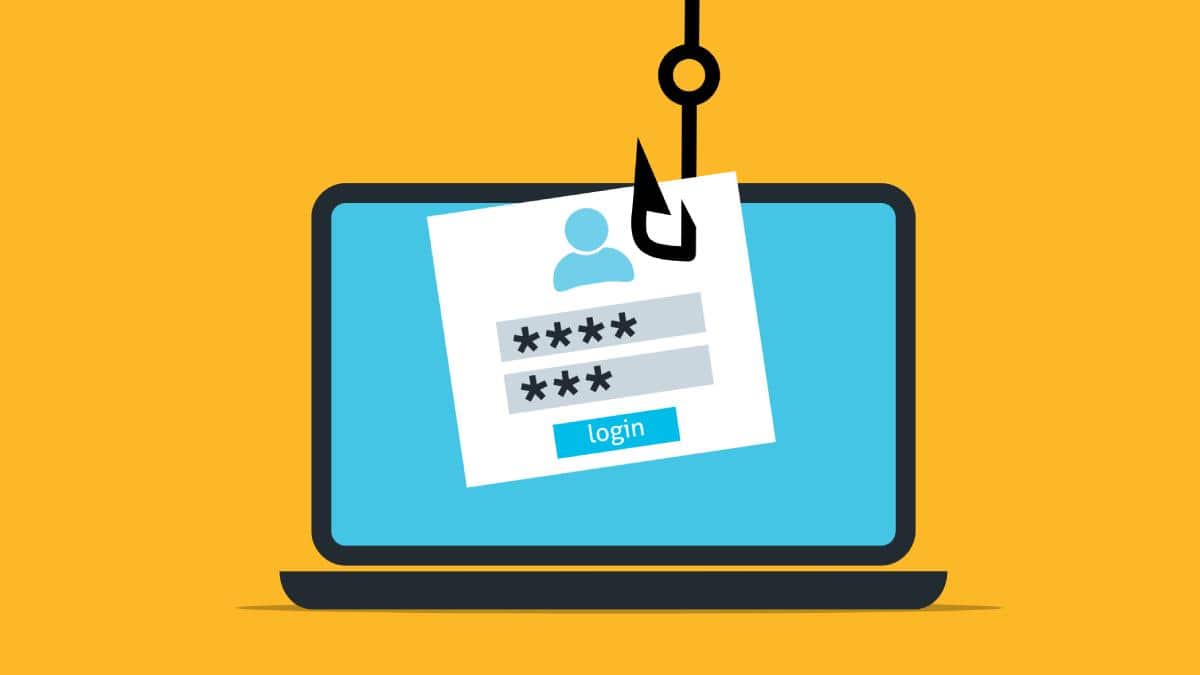
<p><span style=”font-weight: 400;”>A simple tap by clicking a link, scanning a QR code, or approving a payment request can allow cybercriminals to access the funds. Most of these links appear authentic, like any other official portal, but they redirect individuals to malicious websites. </span></p>
<p><span style=”font-weight: 400;”>Users often aren’t cautious about entering their login details, PINs, or inserting OTPs when they see a website that appears legit. Additionally, screen-sharing applications are also being used to scam individuals as they allow fraudsters to access the sensitive information in real time. </span></p>
<h3><strong>The New Face Of Digital Frauds</strong></h3>
<p><span style=”font-weight: 400;”>In Chandigarh, a 72-year-old man lost ₹6.4 lakh while trying to arrange a plumbing repair and was manipulated by fraudulent calls. Furthermore, everybody has been aware of these “accidental UPI” spreading across cities. Fraudsters would transfer a small amount of money or even a fake notification, and demand a ‘refund’ via a payment request link. These malicious links lead victims to enter their UPI PIN and compel them to make a debit from their own accounts. </span></p>
<p><span style=”font-weight: 400;”>The cases of fraudulent emails or texts created to steal information are on the uprising and becoming increasingly difficult to identify as scams. Many of them copy official logos, formatting, language, and domain names to build trust and credibility of the sender, making fraud detection even more impossible. </span></p>
<h3><strong>How To Protect Yourself From One-Tap Banking Scams</strong></h3>
<p><span style=”font-weight: 400;”>While law enforcement continues to track these networks, it also becomes a duty for an individual to take preventive measures. Scammers lure people to click links or approve requests without verification. Hence, avoid interacting with links, QR codes, or attachments received via messages or calls, even if they appear to come from official sources like banks or government agencies.</span></p>
<p><span style=”font-weight: 400;”>Use financial and banking services directly from the official website or applications, and avoid sharing OTPs, PINs, or passwords with unknown entities. Be aware of the ‘collect requests’ before entering the PIN to send money, and refuse screen-sharing requests from unknown callers.</span></p>
<h3><strong>What To Do If Your Account Has Already Been Emptied</strong></h3>
<p><span style=”font-weight: 400;”>Some financial frauds can bypass many preventive measures; however, the scale of the loss is determined by an individual’s immediate response. If an account is suddenly empty or impacted by an unauthorised transaction, call the bank official’s helpline immediately to get the digital payment services frozen.</span></p>
<p><span style=”font-weight: 400;”>The government has facilitated other quick options for individuals struggling with financial fraud. Calling the national cybercrime helpline at 1930 or lodging a complaint on the cybercrime portal increases the chances of tracing the transaction. Furthermore, change all banking passwords and UPI PINs, and delete any suspicious applications from your phones or other devices. </span></p>
<h3><strong>Pause Before You Tap</strong></h3>
<p><span style=”font-weight: 400;”>To conclude, financial empowerment must be vigilant, as even the smallest action can carry the greatest consequences. It takes one tap alone to undo years of financial savings. </span></p>
<p><span style=”font-weight: 400;”>But the individuals must take basic preventive measures by ‘pausing, verifying, and thinking’ before clicking anything. Cautiousness can save one from heavy losses when fraudsters prey on people by weaponising their vulnerabilities. </span></p>
<p><em>(The author is Co-founder & CEO, Innefu Labs)</em></p>
<p><em><strong>Disclaimer:</strong> The opinions, beliefs, and views expressed by the various authors and forum participants on this website are personal and do not reflect the opinions, beliefs, and views of ABP Network Pvt. Ltd.</em></p>
About The Author