Scientists have developed a new class of microscopic antibody fragments capable of functioning inside human cells, overcoming a long-standing limitation in biomedical science.
New treatments for neurodegenerative diseases such as Alzheimer’s, Parkinson’s, and motor neuron disease (MND) may emerge from microscopic medicines developed by researchers at the University of Essex.
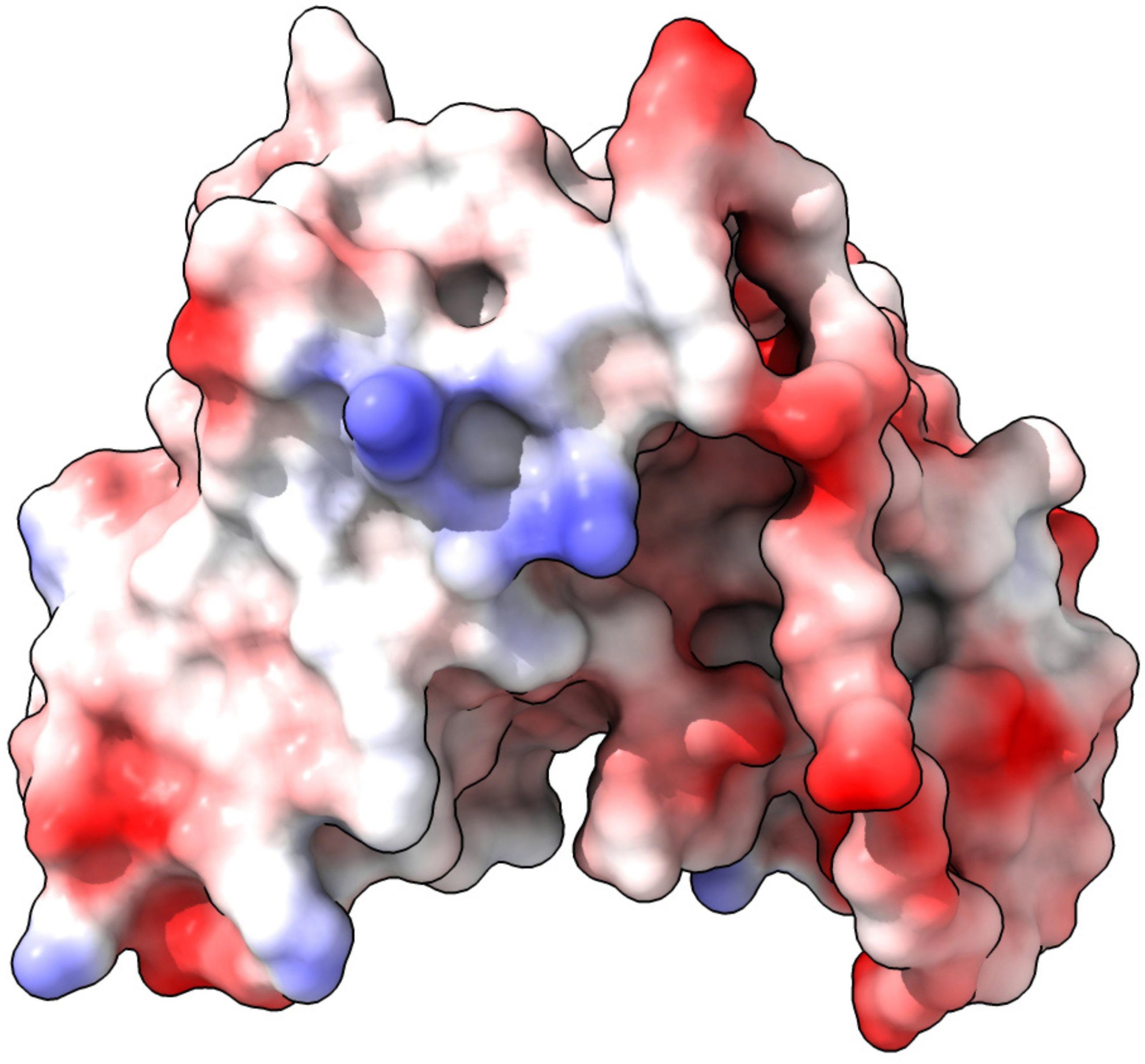
An international team used artificial intelligence to design tiny antibody fragments that can be produced inside human cells, where they attach to proteins linked to disease.
Traditional antibodies typically work only outside cells. In contrast, these redesigned versions, called intrabodies, are built to function within cells and target the proteins that drive neurodegenerative disorders.
Engineering Stable Intrabodies With AI
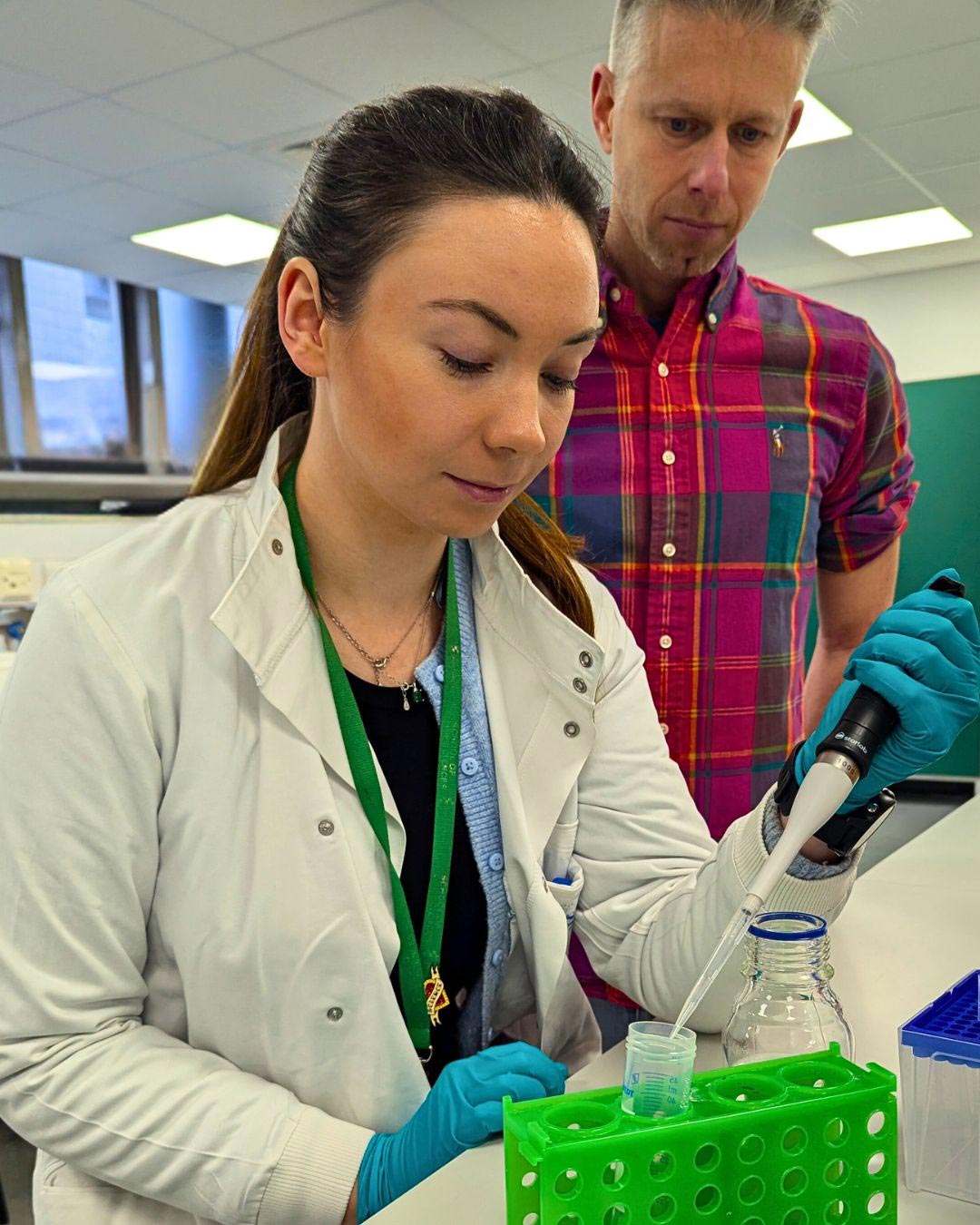
The study, funded by the MND Association and led by Dr. Caitlin O’Shea and Dr. Gareth Wright at the School of Life Sciences, identified electrical charge as a key factor that determines whether antibody fragments remain stable and functional inside cells.
Using this insight along with AI-based protein redesign, the team converted 672 antibodies into intrabodies capable of targeting proteins involved in disease.
This approach could support the development of new research tools and treatments that act directly inside living cells, where many of these conditions begin.
The redesigned molecules are now publicly available following publication in Nature Communications.
Insights From Antibody Analysis
Lead author Dr. O’Shea, who studies MND and Parkinson’s disease, said: “We looked at the properties of millions of antibodies and compared them with human proteins found inside the cell. From this, we figured out that antibodies usually have the wrong charge to exist inside cells without sticking together. We used software developed by Nobel Prize winner David Baker and his group to redesign our antibody fragments, so they had the right charge and are super stable.”
The findings suggest that antibodies developed over decades of research could be adapted for new purposes.
These molecules may serve both as advanced research tools and as starting points for therapies that target disease-related proteins.
Implications for Neurodegenerative Disease Treatment
Dr. Wright, who led the project, said the work could help address diseases that affect tens of millions of people worldwide.
“We’ve made intracellular antibodies that stick to proteins that cause neurodegenerative diseases such as Alzheimer’s, Parkinson’s, Huntington’s, and motor neurone disease,” said Dr. Wright.
“These diseases can lead to cognitive impairment, forgetfulness, loss of muscle control, and death. They affect over one million people in the UK alone, so they are a big public health concern. There are no cures for these diseases and finding molecules that interact with the proteins that cause them in their native environment is a major challenge in the medicine discovery process.”
Future Outlook
The work was praised by the MND Association.
Chief Scientist at the charity, Dr. Brian Dickie, said: “Dr. Wright and his colleagues have made a significant advance in overcoming one of the key challenges that has impeded the development of antibodies as treatments for neurodegenerative diseases, such as MND.”
He continues, “Their research findings provide optimism that a combination of this novel ‘intrabody’ science with emerging gene therapy techniques may lead to new therapeutic strategies that can hit specific molecular targets within neurones.”
Reference: “Reliable repurposing of the antibody interactome inside the cell” by Caitlin M. O’Shea, Rushba Shahzad, Kimia Aghasoleimani, Stuart Newman, Jiraporn Panmanee, Leonard C. Schalkwyk, Greg N. Brooke, Fiona E. Benson, James S. Trimmer, Daryl A. Bosco, Takao Fujisawa, Hidenori Ichijo, Neil R. Cashman, Stanislav Engel and Gareth S. A. Wright, 31 January 2026, Nature Communications.
DOI: 10.1038/s41467-026-69057-0
Never miss a breakthrough: Join the SciTechDaily newsletter.
Follow us on Google and Google News.
About The Author